The Audubon Center in Washington Where You’ll See More Than 200 Bird Species in a Single Afternoon
From peaceful trails to an immersive auto tour, Ridgefield National Wildlife Refuge offers a front-row seat to Washington's bird superhighway.
Calling all casual birders, bird nerds, and seasoned warbler experts! If you’re looking to commune with the great outdoors but prefer to avoid rubbing elbows with national park crowds, a side trip to one of Washington's many national wildlife refuges could be just the ticket.
Nestled in the southwest corner of the state and just shy of the Oregon border, Ridgefield National Wildlife Refuge is the perfect escape for birdwatchers, nature lovers, and anyone looking to spend some time among the wetlands without straying too far from civilization. Although not an official Audubon Center, Ridgefield follows a close model in terms of conservation and education. This 5,300-acre refuge is just a short drive west of Battle Ground, WA, and offers a delightful mix of marshes, forests, grasslands, and rivers, along with a healthy dose of wildlife. But it’s not just about birdwatching (although you’ll see plenty of them); it’s about immersing yourself in an ecosystem that feels like the Pacific Northwest’s best-kept secret.
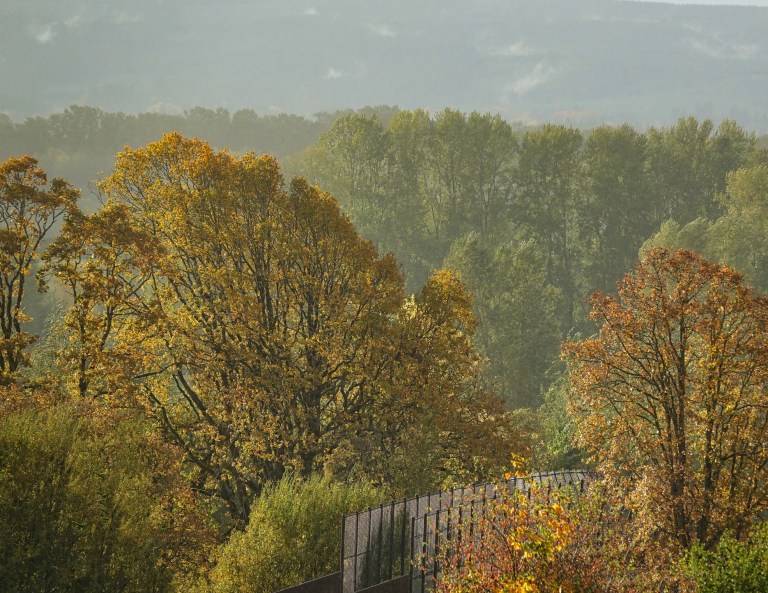
While Ridgefield is a fantastic spot to visit any time of the year, fall might just be the sweet spot. The air is crisp, the foliage turns a stunning array of golds and reds, and the wildlife is active as animals prepare for winter. As you explore the refuge, you’ll see migratory birds — particularly ducks, geese, and swans — flocking in huge numbers. It’s a birdwatcher’s paradise, but even if you don’t know a heron from a hawk, the spectacle is awe-inspiring.

Ridgefield is split into two main units, Carty and River S, each offering its own set of adventures. Whether you’re in the mood for a scenic drive, a casual walk, or a deep dive into nature, there’s something here to fit your (bird)calling!
The Carty Unit is home to two of the refuge’s most popular trails: the Oaks to Wetlands Trail and the Carty Lake Trail. Both offer an excellent way to stretch your legs and take in the natural beauty of the area. The Oaks to Wetlands Trail meanders through — you guessed it — oak forests and wetlands, providing a little over two miles of peaceful walking. Expect to see a wide variety of birds, along with the occasional deer or rabbit hopping through the brush.

The Carty Lake Trail is shorter but equally scenic, winding around the lake and offering gorgeous views of the surrounding landscape. This trail also takes you past the Plankhouse, a replica of the traditional cedar plankhouses built by the Indigenous Chinook people. If you’re lucky, you might catch one of the seasonal events or guided tours that dive into the area’s rich cultural history.
Note that Ridgefield's walking trails close in preparation for winter migrations, so you'll want to check these out (typically) before the end of September.

Missed the closure this year? Don't worry, you can still visit! If you’re more into the drive-and-spot approach (read: you don’t feel like hiking today and/or want to check out some birds even as the season winds down), the River S Unit has you covered with its Auto Tour Route. This four-mile drive is a fantastic way to see the refuge from the comfort of your car, especially during the rainy season when the Pacific Northwest is doing what it does best — being wet.
The Auto Tour is a unique addition that allows you to get up close and personal with wildlife without stepping out into the elements. You can expect to see everything from massive bald eagles to sandhill cranes, along with a variety of mammals, reptiles, songbirds, and amphibians. The key here is patience — drive slow, keep your eyes peeled, and let nature come to you.
Of course, it should also go without saying that touching or feeding the animals is not allowed. In fact, if you're on the Auto Tour, keep that seatbelt buckled to avoid any temptation to get out of your vehicle or get too close to any of the refuge residents.

There’s even a Kiwa Trail along the auto route, which offers a 1.2-mile walk through marshlands that can’t be accessed by vehicle. It’s a flat, easy walk that packs a lot of scenic punch, especially in the early fall when low-hanging fog creates an otherworldly feel.
Altogether, around 200 species of birds make their homes in the refuge or pass through along their migratory routes. It's a pretty special spot!

For those looking to immerse themselves even deeper into the experience, Ridgefield also offers a variety of special events throughout the year. One of the highlights is the BirdFest & Bluegrass Festival held every October. This event combines the refuge’s natural wonders with toe-tapping bluegrass music, guided birdwatching tours, and educational activities. It’s a great way to bring the family out and celebrate both the wildlife and the local culture.
Even if you're not into this whole birdwatching thing, Ridgefield is a fantastic place to visit, and the scenery here is worth a visit on its own. Ridgefield’s landscape is a patchwork of wetlands, rolling meadows, and wooded areas that make for some seriously Instagram-worthy moments.
The refuge is situated along the Columbia River, and the backdrop of the Cascade Mountains adds a level of grandeur that makes you feel like you’ve stumbled onto a movie set. It’s a photographer’s dream, but even if you’re just snapping pics with your phone, you’ll come away with shots that make your friends wonder why they haven’t been there yet. It's the perfect combination of stunning scenery and up-close seasonal wildlife viewing.

Before you pack up and head to Ridgefield NWR this season, here are a few practical tips to make sure your visit goes smoothly:
- Bring binoculars: Even if you’re not a hardcore birder, binoculars make spotting wildlife more fun. Plus, you’ll get a closer look at those majestic bald eagles soaring overhead.
- Dress for the weather: It’s the PNW, so expect our state's trademark mist, mud, and occasional sunshine — sometimes all in the same day. Waterproof shoes and layers are your best friends.
- Pack snacks and water: While there’s a lot to explore, amenities are minimal, so come prepared with sustenance.
- Plan ahead for trails: Since the walking trails at Ridgefield close seasonally to protect wildlife, be sure to check the refuge’s website before you go to avoid disappointment.
- Respect the wildlife: The refuge is all about conservation, so stay on marked trails, don’t feed the animals, and keep a respectful distance.
Ridgefield National Wildlife Refuge is a slice of wild heaven in Washington’s backyard, offering a mix of scenic beauty, wildlife encounters, and cultural history that makes it an unforgettable day trip. Whether you're cruising the Auto Tour Route or hiking the trails in season, this refuge offers something for everyone. And with fall in full swing, there’s no better time to visit — just make sure to bring your camera, your sense of adventure, and maybe a raincoat, just in case!
Subscribe to our newsletter
Get the latest updates and news
Thank you for subscribing!